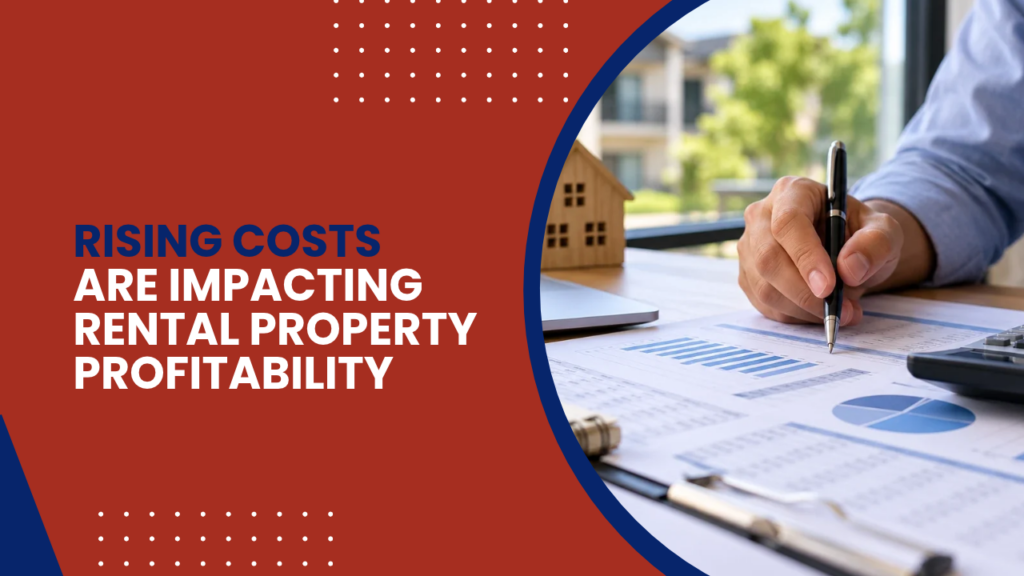
Has owning rental property in Charlotte become more expensive?
For many investors and property owners, the answer is yes. Rising insurance premiums, higher property taxes, increased maintenance costs, and elevated interest rates are all putting pressure on rental property profitability.
While these challenges can reduce cash flow, they don’t have to derail your investment strategy. Successful landlords are adapting by monitoring expenses more closely, making strategic property improvements, and finding ways to increase revenue without sacrificing tenant satisfaction.
Our Summary:
|
Why Are Operating Costs Rising?
While some cost increases are temporary, others may become part of the new normal for property owners.
- Higher Interest Rates Are Affecting Cash Flow
For investors financing new purchases, higher interest rates have increased monthly mortgage payments, making it more difficult for some properties to generate positive cash flow.
Existing owners with fixed-rate mortgages may be less affected, but anyone purchasing new rental properties or refinancing existing loans needs to account for today’s financing costs when evaluating potential investments.
Rather than assuming rates will decline in the near future, investors should ensure a property produces acceptable returns under current lending conditions.
- Property Taxes Continue to Impact Returns
As property values rise, assessed values often follow. While appreciation can increase equity, it may also result in higher property tax bills. For landlords, this creates an ongoing balancing act. Increased taxes reduce net operating income unless rental income grows enough to offset the additional expense.
Reviewing annual property tax assessments and understanding the appeals process, when appropriate, may help ensure your property’s valuation is accurate.
- Insurance Premiums Are Increasing
Insurance has become one of the fastest-growing expenses for many rental property owners. Several factors contribute to rising premiums, including:
- Increased rebuilding costs
- Severe weather events
- Inflation
- Higher replacement values
- More expensive construction materials
Owners should review coverage annually, compare quotes from multiple insurers, and make sure they’re not paying for unnecessary coverage while still maintaining adequate protection.
- Maintenance Costs Are Higher Than Ever
Routine repairs cost more than they did just a few years ago. Whether replacing flooring, repairing plumbing, painting interiors, or installing new appliances, landlords are often paying more for both materials and labor. Preventive maintenance remains one of the most cost-effective ways to protect both your property and your long-term profitability.
- Labor Shortages Can Increase Expenses
Finding qualified contractors has become more challenging in many markets. Higher demand for electricians, plumbers, HVAC technicians, roofers, and general contractors often translates into longer wait times, higher labor costs, scheduling delays, and increased budgets.
Developing relationships with dependable local contractors before emergencies arise can help landlords respond more quickly when repairs are needed.
Can Higher Rents Offset Rising Costs?
Charlotte’s strong rental market has allowed many landlords to increase rents over time. However, raising rent isn’t always the complete solution.
Before increasing rental rates, consider:
- Comparable rental prices in your neighborhood
- Current vacancy rates
- Tenant retention
- Lease renewal timing
- Local market conditions
Keeping a reliable tenant at a slightly lower rent may be more profitable than facing extended vacancies, turnover costs, advertising expenses, and make-ready repairs.
How Can Operational Efficiency Reduce Costs?
Instead of focusing only on increasing income, landlords can often improve profitability by reducing recurring expenses. Consider upgrades such as:
- LED lighting
- Programmable thermostats
- Energy-efficient appliances
- Low-flow plumbing fixtures
- Improved insulation
- Smart leak detection devices
These improvements may lower utility costs, reduce maintenance issues, and make your property more attractive to prospective tenants.
Budget for Capital Improvements
Every rental property will eventually require major investments. Common capital expenses include:
- Roof replacement
- HVAC systems
- Water heaters
- Exterior painting
- Windows
- Flooring
- Appliances
Rather than waiting until these expenses become emergencies, successful investors budget for them over time. Maintaining a dedicated capital reserve account can help reduce financial stress when larger repairs inevitably arise.
Focus on Long-Term Value
Short-term cost increases can feel discouraging, but successful real estate investing has always required patience and adaptability.
Charlotte continues to attract new residents, employers, and business investment, supporting long-term demand for rental housing. While operating costs may fluctuate, well-maintained properties in desirable locations often remain valuable assets over time.
Investors who consistently monitor expenses, maintain adequate reserves, and make data-driven decisions are generally better positioned to navigate changing market conditions than those who react to short-term headlines.
Frequently Asked Questions
Q: Why are rental property expenses increasing in Charlotte?
Several factors are contributing to higher costs, including inflation, rising property values, increased insurance premiums, higher labor and material costs, and elevated interest rates for financed properties.
Q: Should I raise rent to cover higher expenses?
Possibly, but rent increases should be based on local market conditions, comparable properties, and tenant retention goals. Large increases that lead to vacancies may ultimately reduce profitability.
Q: How can landlords improve profitability without raising rent?
Reducing operating expenses through preventive maintenance, energy-efficient upgrades, careful budgeting, and regular reviews of insurance and service contracts can improve a property’s financial performance.
Q: Is now still a good time to invest in Charlotte rental property?
Every investment should be evaluated on its own merits. Even with higher operating costs, properties that generate positive cash flow, meet your investment criteria, and are located in areas with strong rental demand may still represent solid long-term opportunities.
 Please contact us at Wess Cason Realty to talk more about how you can manage rising rental property costs. We provide real estate and property management services in Charlotte and the surrounding areas in Mecklenburg, Union, and Cabarrus County.

 Wess Cason, Owner/Broker
 Jonathan Cason, Director of Operations
 Bethany Martin, Team Coordinator
 Jason Suitor, Maintenance Operations Manager
 Alyssa Cason Tobin, MBA