Have you ever found yourself dealing with a rental property issue that could have easily been avoided?
As a real estate investor or rental property owner, it’s easy to overlook certain details when managing properties. After all, balancing the needs of tenants, maintenance tasks, and financial management can become overwhelming. Unfortunately, these oversights can lead to costly mistakes, tenant dissatisfaction, and even legal issues.
Everything can feel pretty manageable when you own one property, but oversights are still possible. And, if you’re dealing with a portfolio of rentals, the stakes are even higher.
The success of your investment relies on your ability to manage both the big-picture and day-to-day aspects of property management. As professional property managers, we have been able to balance this with systems, technology, and a strong network of industry partners.
Let’s look at the most common property management oversights and how you can avoid them.
Quick Summary:
|
Failing to Screen Tenants Properly
One of the most important decisions you’ll make as a landlord is choosing the right tenant. Tenant screening is an essential process that helps protect your property, minimize rent defaults, and reduce the likelihood of issues during the tenancy. However, many landlords make the mistake of skipping or rushing through this crucial step.
Avoid placing unqualified tenants by establishing a consistent and comprehensive screening process. Look at credit, income, criminal backgrounds, and rental history.
Consistency is key. Apply the same standards and process to every potential tenant to avoid any discrimination claims. By investing the time upfront to properly screen tenants, you can avoid future problems, such as late payments, property damage, or legal disputes.
Neglecting Routine Property Inspections
Many landlords make the mistake of not regularly inspecting their rental properties. While it may seem like a hassle, routine inspections are crucial for identifying maintenance issues early on and ensuring your tenants are taking proper care of the property. Regular inspections also help you stay on top of compliance with safety regulations. Start with a complete move-in inspection, which will document the condition of your property. Take pictures and notes. Use that inspection report to conduct another inspection after your tenants move out. You’ll be able to see if there was any damage during the tenancy, and the photos will provide the documentation you need.
A mid-lease inspection is a good way to check for deferred or unreported maintenance issues. You can also check-in with your tenant and make sure they’re happy living in your rental. You’ll notice any lease violations and be able to address them immediately.
Overlooking Maintenance and Repairs
Maintenance is one of the most common oversights for property owners. Small issues like leaky faucets, clogged drains, or worn-out appliances might seem minor, but they can escalate into bigger and more expensive problems if ignored. Neglecting regular maintenance can lead to tenant dissatisfaction and even costly emergency repairs down the road.
Set up a maintenance schedule so you’ll know that major systems such as HVAC and plumbing are getting the attention they need. This will avoid those disruptive emergency maintenance calls. Address any tenant complaints right away. Delaying maintenance can damage your reputation and lead to a poor tenant experience.
Invest in preventive maintenance. It’s far more cost-effective than dealing with major repairs that could have been prevented.
Mismanaging Rent Collection and Financial Tracking
Managing finances is one of the most important aspects of property ownership, yet many landlords fall short when it comes to organizing rent collection and tracking expenses. Late rent payments, inconsistent financial records, or an inability to stay on top of taxes can result in a cash flow crisis and unnecessary stress.
Avoid this will a clear rent collection policy, which you reinforce throughout the lease term. Clearly outline rent due dates, late fees, and preferred payment methods in the lease agreement. Automate rent collection when possible to avoid delays and confusion.
Tracking expenses and income is important for tax purposes and for decision-making. Use accounting software or hire a professional accountant to keep track of all financial transactions. This includes rent payments, repair expenses, and property tax payments.
Don’t forget to budget for vacancies. They are inevitable, so ensure you have a reserve fund to cover the property’s expenses during tenant turnover.
By staying organized and maintaining a reliable financial system, you’ll have a better handle on your cash flow and avoid potential financial pitfalls.
Avoiding Your Tenants
A good tenant relationship is essential. Don’t avoid tenant phone calls and messages. Be proactive and responsive. This will encourage tenant retention and reduce your turnover and vacancy costs. It’s also good for your reputation as a landlord.
Consider Partnering with a Professional Property Manager
While it’s possible to handle property management yourself, many landlords find that partnering with a professional property management company can save them time, money, and headaches. Property managers have the experience and systems in place to handle the day-to-day operations of your rental, from tenant screening and lease agreements to maintenance and rent collection.
By outsourcing property management, you can:
- Avoid common oversights like maintenance delays or poor tenant communication.
- Ensure compliance with fair housing laws and other regulations.
- Free up time to focus on growing your investment portfolio.
A professional property manager can help you navigate the complexities of property management, keeping your investments running smoothly and reducing the risk of costly mistakes. We’re helping with the day-to-day logistics such as tenant placement and rent collection, and we’re also offering valuable technology, solid vendor relationships, and the expertise and support that comes with knowing a market so well.
Property management is an essential part of real estate investing, but it’s also easy to make mistakes, especially when juggling multiple responsibilities. By avoiding common oversights like poor tenant screening, neglecting maintenance, mismanaging finances, and tenant relationships, you can protect your property, increase tenant satisfaction, and maximize your investment returns.
 If managing your rental properties has become too overwhelming or if you want to ensure that nothing falls through the cracks, consider partnering with us. Contact our team at Wess Cason Realty. We provide real estate and property management services in Charlotte and the surrounding areas in Mecklenburg, Union, and Cabarrus County.

 Wess Cason, Owner/Broker
 Jonathan Cason, Director of Operations
 Bethany Martin, Team Coordinator
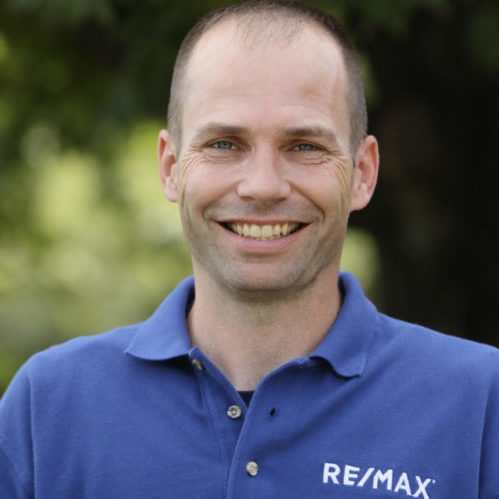 Jason Suitor, Maintenance Operations Manager
 Alyssa Cason Tobin, MBA